
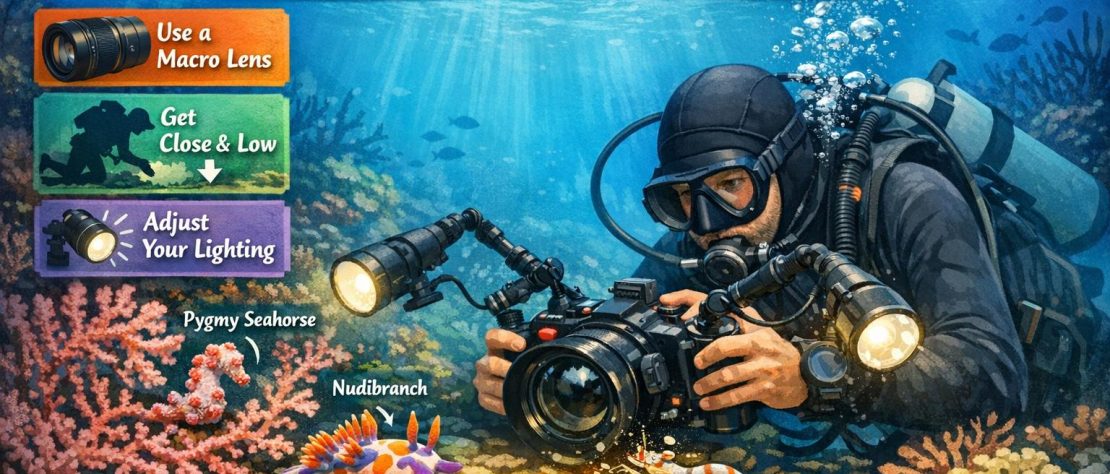
Introduction to Nudibranchs
Nudibranchs, commonly referred to as sea slugs, are soft-bodied marine gastropod mollusks belonging to the order Nudibranchia. Unlike many other mollusks, they lose their shells after the larval stage and live the remainder of their lives without the hard external protection typically associated with snails. This distinctive characteristic, combined with an extraordinary range of colors and forms, has made nudibranchs a subject of sustained interest among marine biologists, underwater photographers, and divers.
Found in oceans across the globe, nudibranchs inhabit shallow tropical reefs, temperate coastal waters, and even deep-sea environments. Their name is derived from Latin and Greek roots meaning “naked gills,” a reference to the exposed respiratory structures seen in many species. Although delicate in appearance, nudibranchs have evolved highly specialized biological adaptations that enable them to survive in complex marine ecosystems. The waters surrounding the Philippines, situated within the Coral Triangle, are particularly well known for hosting a remarkable diversity of nudibranch species.
Diversity in the Philippines
The Philippines is recognized as one of the most biodiverse marine regions in the world. Its extensive archipelago, composed of more than 7,000 islands, creates varied coastal and offshore habitats that support a broad spectrum of marine life. Within this environment, nudibranchs thrive in significant numbers and astonishing diversity. Scientists and enthusiasts regularly document new or rarely recorded species in Philippine waters, underscoring the ecological richness of the area.
Several factors contribute to this diversity. Warm tropical temperatures provide stable living conditions year-round, while coral reefs, rocky outcrops, and soft sediment areas create numerous ecological niches. The Philippines lies within the Coral Triangle, a region that contains the highest diversity of coral reef species globally. This high biodiversity extends beyond corals and fish to invertebrates, including gastropods such as nudibranchs.
Locations such as Anilao, Dauin, Malapascua, and Tubbataha Reefs Natural Park are widely regarded as significant sites for nudibranch observation. These areas offer a combination of healthy reef systems and nutrient-rich waters, supporting the sponges, hydroids, bryozoans, and other organisms that serve as nudibranch prey. Ongoing marine surveys continue to record both well-known genera such as Chromodoris and Hypselodoris and lesser-known species that remain under scientific study.
Taxonomy and Physical Characteristics
Nudibranchs belong to the phylum Mollusca and class Gastropoda. Within the order Nudibranchia, two primary suborders are commonly recognized: Doridina and Cladobranchia. Dorid nudibranchs typically feature a cluster of feathery gills arranged in a circle on their posterior end, while cladobranch nudibranchs possess elongated bodies with cerata—finger-like appendages that function in respiration and defense.
The vivid coloration associated with nudibranchs is among their most recognizable traits. Patterns may include contrasting stripes, spots, or intricate ridges. This coloration often serves as aposematic signaling, a biological strategy in which bright colors warn potential predators of toxicity or unpalatability. In many cases, nudibranchs acquire chemical defenses through their diet. By consuming toxic sponges or cnidarians, they incorporate defensive compounds into their own tissues. Some species are capable of storing nematocysts—stinging cells—from their prey and redeploying them through specialized structures.
Most nudibranchs are relatively small, typically measuring between 1 and 6 centimeters in length, although larger species can reach up to 30 centimeters. They possess rhinophores, which are sensory organs located on the head and used primarily for detecting chemical cues in the water. These organs help nudibranchs locate food sources and mates. Despite lacking complex vision, their chemosensory abilities are highly refined.
Feeding Ecology and Specialized Diets
Nudibranchs are carnivorous and often display remarkable feeding specialization. Many species feed exclusively on a single type of prey organism. Sponges, hydroids, bryozoans, soft corals, tunicates, and sea anemones are common dietary items. This specialization can result in close ecological relationships between nudibranchs and their prey.
In the Philippines, the abundance of reef-building corals and associated invertebrate communities provides ample feeding opportunities. Some nudibranchs are found only in proximity to their preferred food source. For example, dorid nudibranchs often inhabit areas rich in sponges, while aeolid nudibranchs may cluster around hydroid colonies. This reliance on specific prey makes them useful indicators of environmental health and biodiversity.
Their feeding mechanism involves a radula, a ribbon-like structure lined with microscopic teeth. The radula allows them to scrape or pierce prey tissue effectively. The dietary habits of nudibranchs contribute to maintaining ecological balance, as they help regulate the populations of sessile invertebrates within reef systems.
Reproductive Strategies and Life Cycle
All nudibranchs are simultaneous hermaphrodites, meaning each individual possesses both male and female reproductive organs. This adaptation increases reproductive success, as any encounter between two individuals of the same species can result in mating. Despite possessing both sets of organs, self-fertilization is extremely rare; cross-fertilization is the norm.
After mating, nudibranchs lay eggs in gelatinous ribbons or spirals, often attached to substrates near their food source. The egg masses vary in color and shape depending on the species. Embryonic development results in free-swimming larvae known as veligers, which are initially planktonic. During this larval stage, the organisms possess a small shell. As they mature and settle onto a suitable substrate, they undergo metamorphosis and lose their shell, transitioning into the adult form.
The life span of most nudibranchs is relatively short, often lasting less than a year. However, within that period, they can grow rapidly and reproduce multiple times. The short life cycle allows populations to respond quickly to favorable environmental conditions.
Habitat Distribution in Philippine Waters
Although commonly associated with coral reefs, nudibranchs inhabit a broad range of marine environments throughout the Philippines. Shallow reef flats, steep drop-offs, muck diving sites characterized by sandy and silty bottoms, and seagrass beds all provide potential habitats. Muck diving locations, particularly around Dauin and Anilao, are well known for yielding unusual and cryptic nudibranch species that blend closely with their surroundings.
Depth ranges vary by species. Some nudibranchs occupy intertidal zones exposed during low tide, while others are found at depths exceeding 40 meters. Temperature stability, water quality, and food availability are primary determinants of distribution. Because nudibranchs are sensitive to environmental changes, they can disappear from areas experiencing habitat degradation.
Seasonal variation may influence visibility and abundance. Plankton blooms and nutrient upwellings can increase food availability for nudibranch prey species, indirectly contributing to temporary population increases. Such patterns make systematic documentation important for understanding long-term ecological trends.
Ecological Role and Scientific Significance
Nudibranchs contribute to marine ecosystems in several measurable ways. By feeding on sessile invertebrates, they influence species composition within reef communities. Their presence may limit overgrowth by sponges or hydroids, thereby maintaining space for coral recruitment and other reef organisms.
From a scientific perspective, nudibranchs are significant for research into chemical ecology. The compounds they sequester or synthesize for defense have attracted attention for potential biomedical applications. Studies on bioactive substances derived from marine organisms, including nudibranch-associated compounds, are ongoing at marine science institutions worldwide. Organizations such as the National Oceanic and Atmospheric Administration and research bodies within Southeast Asia support marine biodiversity assessments that include invertebrate documentation.
Photographic documentation by citizen scientists also contributes valuable data. Divers frequently share geotagged images through marine biodiversity databases, supporting species range mapping and identification efforts. Collaborative initiatives between universities and local dive communities in the Philippines have expanded knowledge of species distribution.
Conservation and Environmental Pressures
Despite their adaptability, nudibranchs depend heavily on healthy reef systems. Coral bleaching events, often linked to rising sea temperatures, reduce habitat complexity and food availability. Pollution from coastal development, sediment runoff, and plastic waste can degrade water quality and harm benthic communities. Overfishing may alter ecological balance, indirectly affecting invertebrate populations that nudibranchs rely on for sustenance.
Marine protected areas (MPAs) throughout the Philippines aim to conserve reef ecosystems and associated biodiversity. Sites such as Tubbataha Reefs Natural Park are managed to restrict extractive activities and preserve ecological integrity. Continued monitoring and enforcement are necessary to ensure that conservation measures remain effective.
Climate change represents an ongoing challenge. Ocean acidification can influence calcifying organisms that form part of reef structures, potentially altering the habitats nudibranchs occupy. Because many nudibranch species are highly specialized in diet and habitat preference, they may be particularly sensitive to ecosystem shifts.
Sustained research, habitat protection, and public awareness initiatives are central to maintaining marine biodiversity. Marine research centers and conservation organizations, including the International Union for Conservation of Nature, provide updated information on marine species and ecosystem management strategies.
Conclusion
Nudibranchs represent a diverse and ecologically significant group of marine gastropods characterized by shell loss, vivid coloration, and specialized feeding strategies. The Philippines, situated within one of the world’s most biodiverse marine regions, offers a particularly rich habitat for these organisms. Through their ecological roles, chemical defenses, and specialized adaptations, nudibranchs contribute meaningfully to reef ecosystems.
Ongoing scientific research and conservation efforts remain essential to understanding and protecting the complex habitats in which they live. As indicators of environmental health and subjects of chemical and ecological study, nudibranchs continue to provide insight into the dynamics of marine biodiversity in the Philippines and beyond.